
Seeing clients is only half of a therapist's job. The other half rarely lands on a tidy schedule. Supervision, training, the CPD hours that keep a license current and the work honest.
Most of us are fine with the doing part. It's the record that trips us up. Who supervised you? What date, how long, which case? Three years on, pulling fifty hours together from memory and a few buried emails becomes its own small nightmare.
This is about never ending up there. A system simple enough that you'll actually stick to it.
What Does Tracking Supervision Hours Actually Mean?
The short version
It's the habit of logging every supervision session as it happens (date, duration, supervisor, type, an anonymized case reference) so that when license renewal or a certification review comes around, your hours are already documented and ready to export. No reconstructing three years of records from memory.
Strip away the jargon and it's pretty mundane. You write down each supervision session, right after it happens, in a form you can find later. That's the whole thing. The trouble only ever comes from skipping that "right after" part.
Why Bother Keeping the Records?
Three reasons, and not one of them is box-ticking for its own sake.
The first is renewal. Holding a clinical title, or moving up in a specialty, increasingly means showing documented supervision. Some certification tracks set a firm annual minimum. Fall short and the paperwork stalls at the worst possible moment.
The second is you. Supervision is where your blind spots finally come up for air. Keeping a record is a quiet signal, mostly to yourself, that you take that seriously.
And if it ever comes to it, the record has your back. Should a case land in front of a board or a court, proof that you sought regular supervision on it is real support for your position.
What Actually Counts as Supervision?
Supervision wears a few different shapes, and each one logs a little differently.
Individual supervision is the classic form. One supervisor, one supervisee, the fullest notes. Group supervision puts three to six people around a case, and it counts, though the minutes spread thin across everyone's material. Peer supervision, colleagues at the same level talking cases through, gets recognized by some programs and waved off by others. And then there's written supervision, where you send a case up in writing and get written feedback back. More common now that so much of the work happens online.
Which of these count toward your formal total depends entirely on the body you answer to. So sort that out before you lean on any of them.
What Goes Into a Single Record
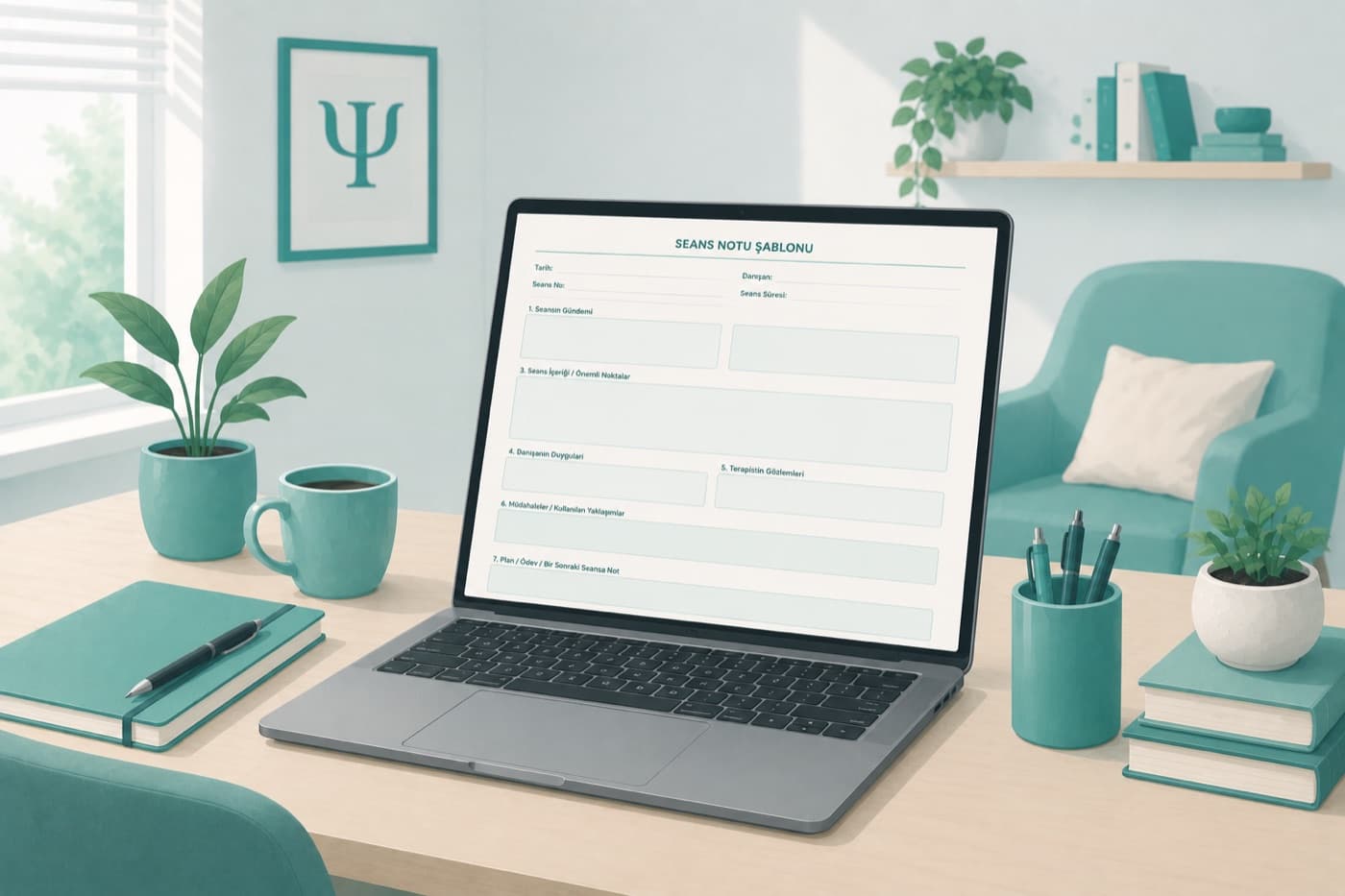
You don't need much per session. Date and duration in minutes. The supervisor's name and credentials, license number if there is one. The type. An anonymized pointer to the case, something like "M.A., session 12", never the full name. A line or two on what you actually covered, any recommendations that came out of it, and the supervisor's sign-off.
Looks like a lot written out. In practice? A five-minute job, and the same discipline that makes good session notes work applies here too. Do it the moment the session ends. Leave it a week and it takes twice as long, with half the detail already gone fuzzy.
One row, filled in five minutes after the session. Multiply it across a year and your renewal file is already built.
The note you meant to write on Tuesday
Supervision runs from 9:40 on Tuesday, sharp and genuinely useful. You'll write it up tonight, you tell yourself. Tonight becomes the weekend, the weekend becomes next week. By the time you open the log you're guessing at the duration and can barely remember which case you led with. Two minutes of work at 10:40 that morning would have caught all of it. A week later it's a reconstruction, and a shaky one.
Notebook, Spreadsheet, or Software?
There are really only three ways people do this.
The notebook is the honest starting point. Cheap, simple, and one spilled coffee or one house move away from gone. Good luck searching it for fifty hours in year three.
A spreadsheet is a step up. It sorts, it searches, it survives a laptop reboot. But it can't hold a signature, its security is only ever as good as the machine it sits on, and the moment case details creep in it gets genuinely risky under data-protection rules.
A supervision module inside practice software is the version that actually lasts. Records stay walled off from client files but linked to them. Annual reports build themselves. Signed logs export on demand.
Match the tool to your volume. Light year, a tidy spreadsheet copes. Heavy year with signed proof on the line, software earns its keep.
Setting a Goal for the Year
Hours for the sake of hours miss the point. The therapists who get the most out of supervision aim it somewhere.
Pick a learning goal in January. "This year I get better at trauma work." Then steer your supervision toward it, instead of letting each session drift wherever the week's caseload happens to push it.
Check in monthly. Ahead of target, or slipping behind? A two-minute look is enough to catch a shortfall while there's still time to fix it, rather than in the final, panicked month.
Forty hours, and renewal is in three weeks
The renewal form asks for the year's supervision. You sit down to total it and land at forty hours against a fifty-hour target, with three weeks left. The records that do exist are scattered across a notebook, two email threads, and memory. Had the log been running all year with a monthly check, the gap would have shown up in March, when ten more hours was an easy fix instead of a scramble.
Keeping Client Confidentiality Intact
Every supervision note brushes up against a real person's story, so protect them inside it.
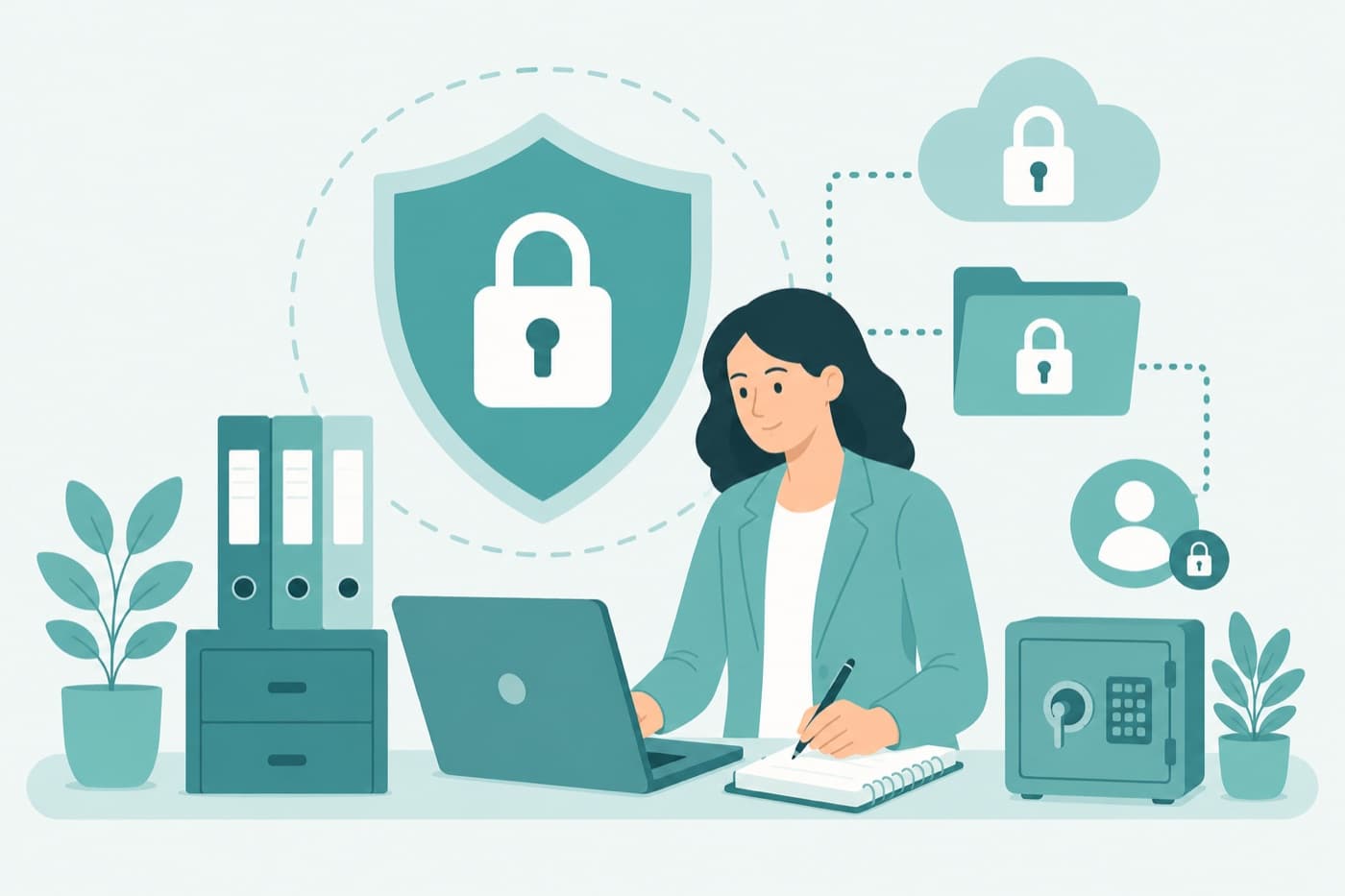
Initials or a code, never the client's name. The theme, not the clinical detail. If a note travels to your supervisor digitally, send it down an encrypted channel rather than plain email. And never park supervision notes in an unprotected or shared cloud folder where anyone wandering past could open them.
Under GDPR, case material counts as special-category data, and the privacy rules that apply to therapists don't loosen just because the file is labelled "supervision" instead of "client".
Case detail is special-category data, even in a supervision file
Anything that points back to a client's health or therapy counts as special-category data under GDPR, and a supervision note is no exception. Keeping it anonymized, encrypted, and access-controlled isn't a nice-to-have. It's the baseline, and a shared spreadsheet doesn't clear it.
Is Supervision Worth the Money?
Thirty hours of supervision a year costs roughly what thirty sessions would earn you. So it's fair to ask whether it pays off.
The research, and most people's own experience, says yes. Supervised therapists burn out less. Their cases move faster. Fewer ethical tangles, longer careers. Read that back and supervision stops looking like a cost at all. It's closer to the cheapest career insurance you'll ever buy.
Building the Habit
None of this needs a complicated system. It needs a consistent one.
Get the habit down first. The tool's only job is to make that habit effortless. That year-end summary, by the way, does double duty. It's a private professional journal, and it drops straight into a certification application or a job move when you need it.
Track Supervision Hours With Calemio Pro
Calemio Pro's supervision module was built around exactly this rhythm. It logs your CPD and supervision, keeps those records separate from client data while still linking the two, and shows the year's progress at a glance. When renewal or a certification review lands, you export signed records as a PDF in one click. No digging through three years of notebooks the night before.
Supervision logs, an annual progress view, exportable PDFs for certification, all of it kept apart from client files. You can try Pro free for 14 days, no card required.
A Quick Checklist
Taking stock of how you track supervision right now? Run down this list.
- Every supervision session gets logged within five minutes of ending.
- Each record holds date, duration, supervisor, type, and an anonymized case reference.
- Cases are logged by initials or code, never full names.
- You know your annual target and check progress monthly.
- Records are stored encrypted, not in an open spreadsheet or shared folder.
- Supervision data sits separate from full client files.
- Signed records can be exported as a PDF when renewal calls for them.
- You write a short year-end summary of what you learned.
Frequently Asked Questions
How many supervision hours do I need per year for license renewal?
It depends on your professional body or certification program. Some set a firm annual minimum, others don't specify one at all. Confirm the number with your association before you plan the year, then track against it monthly so a shortfall shows up in spring rather than the week renewal is due.
What information should a supervision record contain?
At a minimum: the date and duration in minutes, the supervisor's name and credentials, the type of supervision, an anonymized reference to the case, the key themes, any recommendations that came out of the session, and the supervisor's signature or approval. Fill it within five minutes of finishing. Wait a week and it takes twice as long, with the details already going blurry.
Does group or peer supervision count toward my required hours?
That's entirely down to your professional body or certification program. Individual supervision almost always counts, group supervision usually does, and peer supervision is accepted by some programs and not others. Check which formats are recognized before you rely on any of them for your total.
How do I keep supervision notes without breaching client confidentiality?
Use initials or a code instead of the client's name, and log the main theme rather than detailed clinical content. Share notes with a supervisor only over an encrypted channel, never plain email, and don't store them in an unprotected or shared cloud space. Keeping supervision records separate from full client files is the safest structure, and under GDPR the case detail inside them still counts as special-category data.
Is a spreadsheet good enough for tracking supervision hours?
It sorts and searches, so it beats a paper notebook. But it can't hold a signature, its security depends on the device it lives on, and it gets risky the moment case detail creeps in. For a few hours a year it copes. Once you're logging dozens of hours and someone will ask for signed, exportable proof, dedicated software is the more reliable call.
How do I produce documentation for a license or certification application?
Log every session as it happens, so the record is already complete when you need it. A supervision module in practice software can then generate the annual report and export signed records as a PDF in one click. That beats reconstructing years of scattered hours the night before the deadline.
Related articles

Try Calemio for free
Encrypted, compliant and simple. Built for independent therapists and clinics.
Start free